Company Profile
Ziitek, founded in 2006 and headquartered in Dongguan, Guangdong Province, is the world's leading manufacturer of thermal interface materials and thermal management solutions. After years of technical precipitation, the company has built a complete product matrix including thermal interface materials, EMI shielding materials, heating products, foamed silica gel sealing rings, and heat conduction engineering plastics. With production bases in Kunshan, Taiwan Province and Vietnam, we provide one-stop thermal management solutions for customers worldwide.

Packaging Details & Lead Time
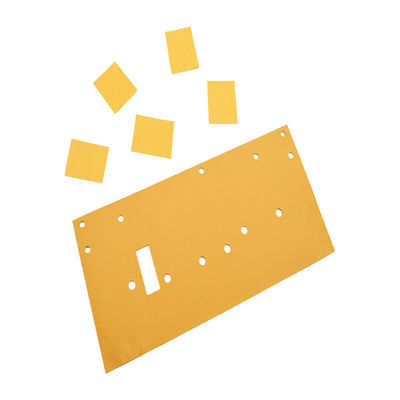
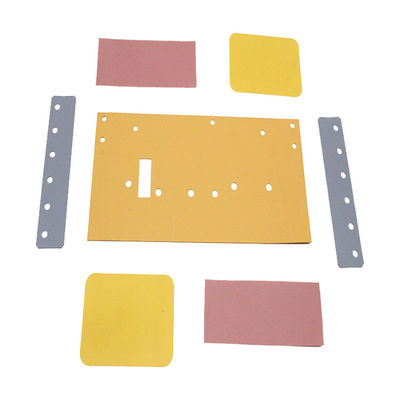
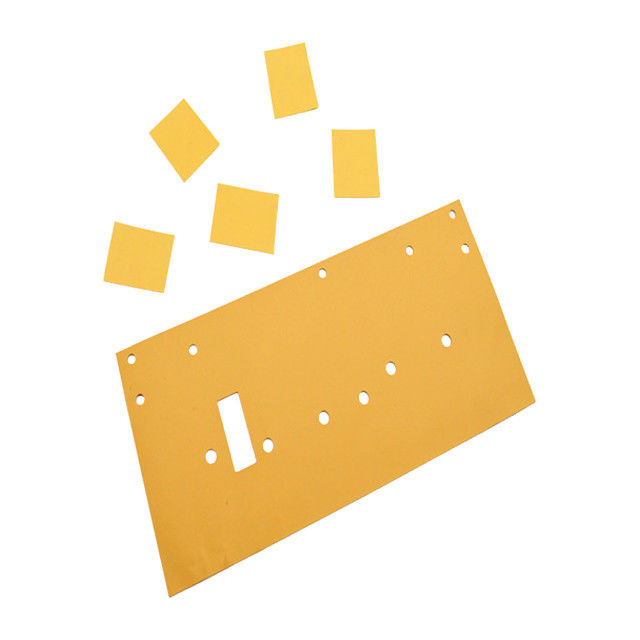
The packaging of thermal insulation materials includes PET film or foam for protection, paper card to separate each layer, export carton inside and outside, and meets customers' requirements for customization.
Lead Time: Quantity: 5000 pieces, Estimated Time: To be negotiated
Frequently Asked Questions
Q: Are you trading company or manufacturer?
A: We are manufacturer in China.
Q: How long is your delivery time?
A: Generally it is 3-7 work days if the goods are in stock, or 7-10 work days if the goods are not in stock, depending on quantity.
Q: Do you provide samples? Is it free or extra cost?
A: Yes, we could offer samples free of charge.
Q: What is the difference between Thermal Conductivity and Thermal Resistance?
A: Thermal conductivity primarily reflects the intrinsic heat-conduction capability of a material, while thermal resistance is also affected by factors such as thermal conductivity, material thickness, contact area, and interface conditions. In practical applications, it is important to consider not only thermal conductivity but also the overall thermal resistance of the TIM layer.
Q: Does higher thermal conductivity always mean better cooling performance?
A: Not necessarily. Actual cooling performance is also affected by material thickness, interface contact, compression properties, contact area, heat source power, and heat sink design. Therefore, when selecting a TIM, both thermal conductivity and actual thermal resistance should be evaluated.
Q: Why are TIMs needed in electronic devices?
A: The surfaces of electronic components and heat sinks typically have microscopic irregularities. Even when two surfaces appear to be in direct contact, small air gaps can remain between them, and air has relatively low thermal conductivity. TIMs fill these microscopic gaps and improve heat transfer efficiency.
Q: What industries commonly use thermal interface materials?
A: TIMs are widely used in AI servers, data centers, telecommunications equipment, automotive electronics, electric vehicles (EVs), batteries, energy storage systems, power supplies, LED lighting, consumer electronics, industrial controls, and power electronics.


 Your message must be between 20-3,000 characters!